Butte County voters weigh in on state and local races, approve data center measure
Polls closed at 7 p.m. June 2, setting the stage for a long night of vote counting across South Dakota. By 12:30 a.m. June 3, 89.9 percent of the vote had been counted statewide as several highly contested races began to take shape.
There are 497,046 registered voters in South Dakota, and 171,729 of them cast a vote in the statewide primary election, with turnout at just under 35 percent. With 99 percent of the vote in, the results are unofficial.
A few of the races were called early in the evening. Mike Rounds was the projected winner for the Republican United States Senate seat. He won over opponent Justin McNeal, receiving 76 percent of the vote. In Butte County, Rounds won every one of the 18 precincts.
On the United States Representative Republican ticket, Marty Jackley will move on to the general election. He beat out his opponent, James Bialota, by getting 79 percent of the votes cast. Jackley also won every one of the 18 precincts in Butte County.
In the South Dakota governor’s race, Larry Rhoden, Jon Hansen, Dusty Johnson and Toby Doeden all put up a good fight. Out of 136,485 total votes cast for governor, Doeden received the highest amount, 41,791 (31%). Rhoden was the next-highest vote-getter with 34,379 (25%). Johnson was third with 31,925 (23%) votes and Hansen was fourth, receiving 28,390 (21%) total.
Since no candidate in the governor’s race received at least 35 percent of the vote, as required by law, Doeden and Rhoden will face off in a runoff election. The runoff must be held within eight weeks and should be scheduled for July 28.
The voters of Butte County cast 2,209 votes for governor and chose Rhoden with 33 percent and 748 votes. Doeden came in next with 30 percent of the vote, or 680 votes. A total of 453, or 20 percent of Butte County voters, picked Hansen and 328, or 14 percent, chose Johnson.
Looking at races closer to home, Butte County voters had a full ballot. In addition to casting votes for statewide races, they also had to vote on an initiated measure, a state senator and state representative, county commissioner and school board race.
In Butte County, there are 6,983 registered voters. Of those, 2,627 cast ballots in the election. Just about 38 percent of the local electorate turned out to have a say in state, county and local races and issues.
Everyone, Democrat and Republican, had the opportunity to vote on Initiated Measure A: Resolution to Create an Ordinance to Prohibit Data Centers in Butte County. The yes vote won overwhelmingly. Out of the 2,569 votes cast on the measure, 2,005 were for yes, while no received 564 votes. The issue now moves to the Butte County Commissioners, where they will have to create the ordinance to prohibit data centers in the county.
There are 17,416 registered voters in District 28. Running to represent the local area on the state level in District 28, Sam Marty, the incumbent, ran against Ryan Maher. Marty ended up the districtwide winner, getting 2,095 votes while Maher got 1,950. In addition, Marty was the clear favorite in Butte County, sweeping every one of the 18 precincts and receiving 1,220 of the 2,016 votes cast.
State Representative District 28B has 9,244 registered voters. Incumbent Travis Ismay ran against Lawrence Schmaltz. Ismay was the winner of District 28B, receiving 1,597 votes to Schmaltz’s 1,313 votes. Butte County voters were mixed on who they wanted, as the race here was close. Out of 2,125 Butte County ballots, Ismay won 1,084 and Schmaltz got 1,041.
The only Butte County commissioner race that had at least two candidates on the ballot was for District 1. Doug Larson took on Cory Tolley for the vacancy. Larson will be the next District 1 county commissioner as he won the race, 416 to 132.
Butte County candidates running unopposed and therefore automatically winning their seats are: County Auditor Annie Capp; Sheriff Fred Lamphere; County Commissioner, District 3, Chad Erk; and County Commissioner, District 5, Jason Kari.
The Newell School Board saw two candidates running for one two-year term. The incumbent, Todd Youngberg, a 12-year school board member, took on first-time candidate Kurt Hocking. A total of 589 ballots were cast in the local election. Hocking came out ahead, winning 330 votes over 259 cast for Youngberg.
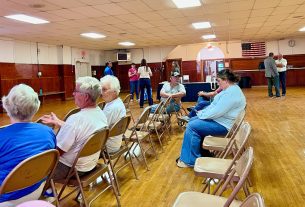
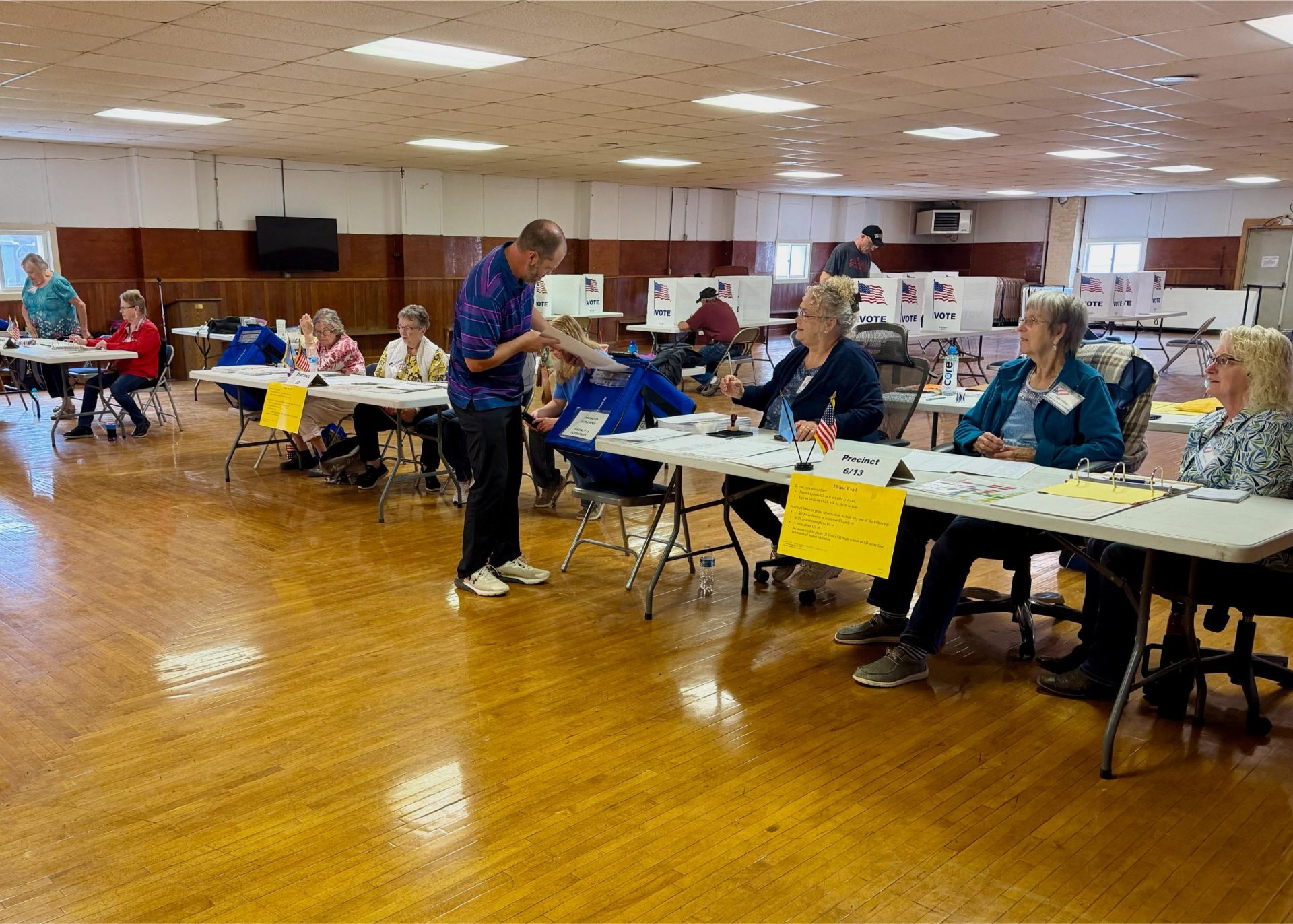
Polling places were open from 7 a.m. to 7 p.m. Voters were greeted with a sign explaining the new law (SDCL 12-18-6.1) requiring proof of identification. There was specific photo identification that must be used, including: a South Dakota driver’s license or nondriver ID card, U.S. government photo ID (a passport is acceptable), U.S. Armed Forces ID, current student photo identification card from a South Dakota high school or South Dakota accredited institution of higher education or Tribal photo ID. Additionally, if you didn’t have a photo ID, you could sign a personal identification affidavit and be allowed to vote a regular ballot.
See more pictures and read the full issue of the Belle Fourche Beacon by clicking here.